Virtual Tours: Where They’re Headed (and What That Means for You)

Imagine being able to step inside a museum, a construction site, or a retail showroom without leaving your couch. That’s the promise of virtual tours. They’re not a gimmick. They’re a fast-growing market that helps businesses reach more people, convert more customers, and cut costs.
So what’s in it for you?
Whether you’re running a gallery, a real estate firm, a retail space, or a construction project, virtual tours might just be the competitive edge you didn’t know you needed. And with browser-based platforms like SeekBeak, creating an interactive 360° tour is easier than you’d think.

The Big Picture: Why Virtual Tours Matter for Business
The virtual tour market was worth about $11 billion USD in 2024, and it’s expected to keep growing at around 25-30% annually through the next decade.
So, what does that mean for you?
Your audience is expecting it.
Customers are getting used to clicking through immersive spaces before they book or buy.
Competitors are already testing it.
If you’re not in the game, you risk looking outdated.
Costs are coming down.
It’s easier than ever to launch a tour without a Hollywood-sized budget. No-code tools now let you create a virtual tour and publish it in hours, not weeks.
Industry by Industry: Who’s Winning with Virtual Tours
Here’s how different industries are already using tours (and the practical takeaways you can steal).
Museum and Arts
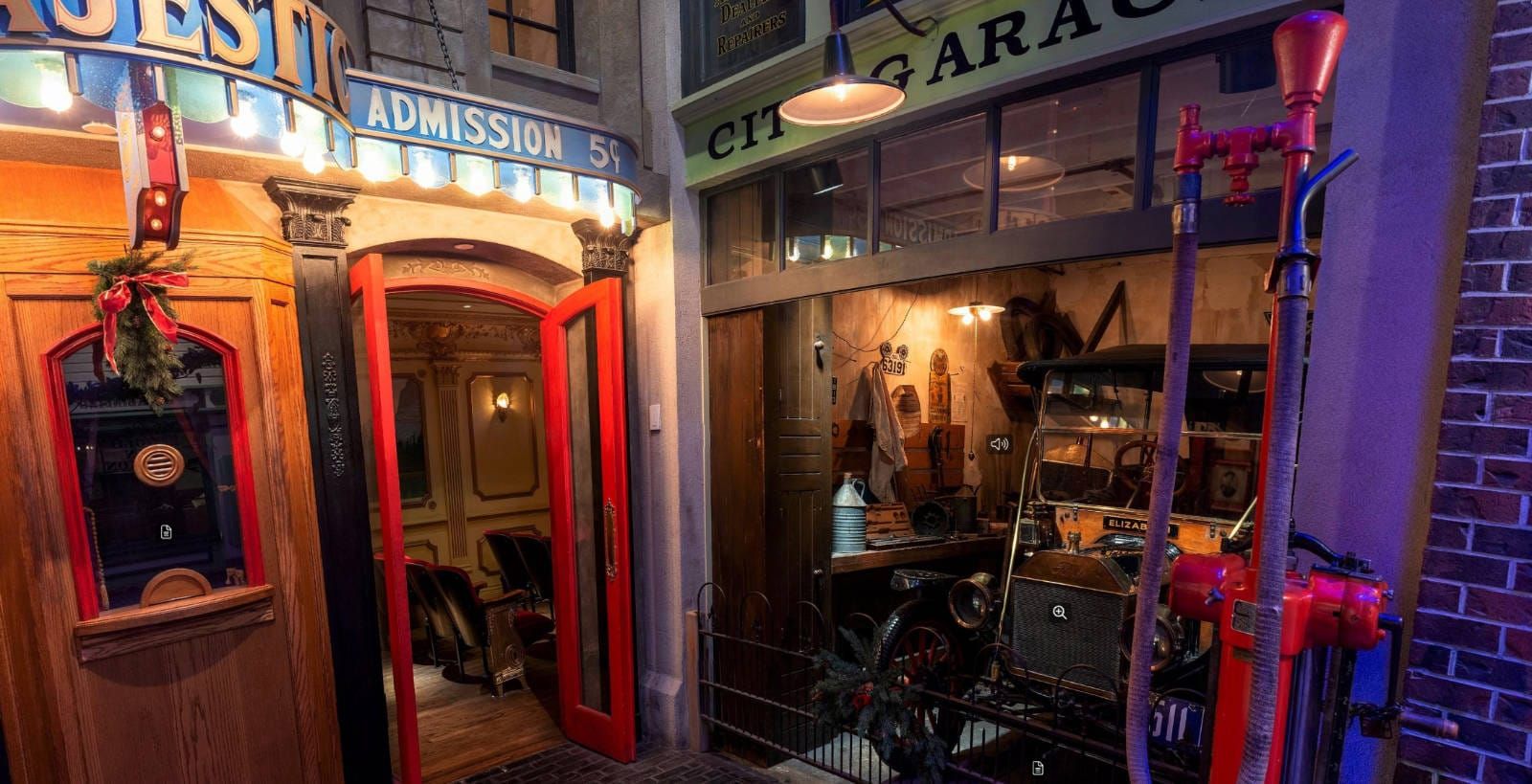
What’s happening: Museums and galleries are turning to virtual tours to bring exhibits online with interactive layers: audio commentary, behind-the-scenes video, and clickable hotspots that let visitors explore at their own pace. A virtual tour of a museum can attract global audiences without physical capacity limits.
What’s in it for you: If you’re running a gallery or cultural space, a virtual tour lets you expand your audience without expanding your square footage. It’s a tool for education, accessibility, and global reach. It also helps you gather audience feedback and engagement data for government reporting, donor presentations, or grant applications.
Real Estate
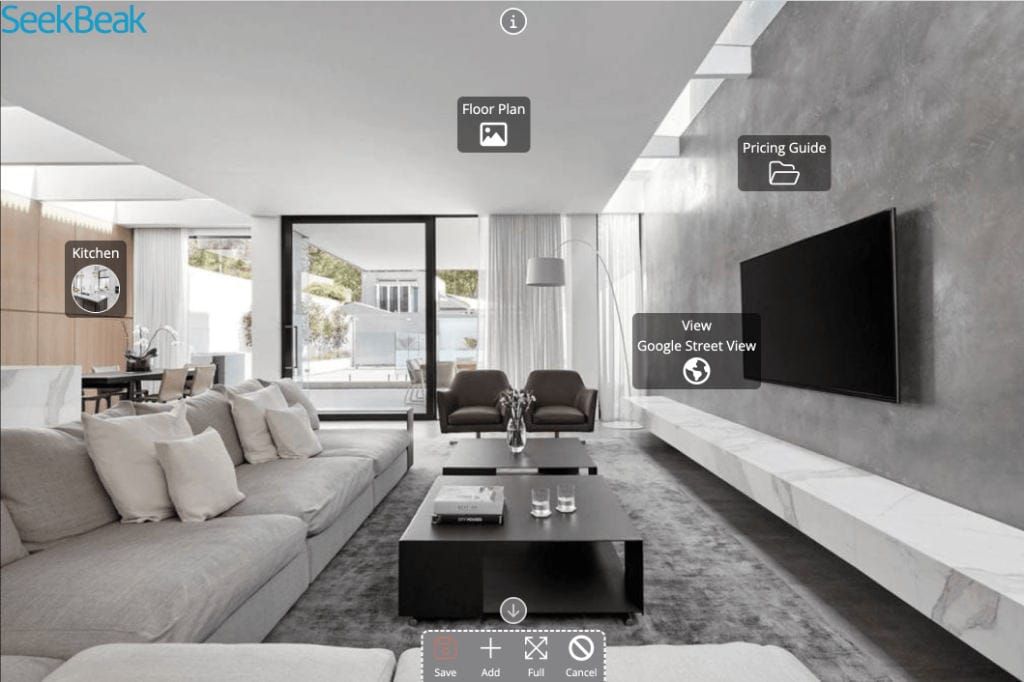
What’s happening: Listings with virtual tours close faster. In fact, some reports show up to 31% less time on the market. Buyers increasingly expect them as standard.
What’s in it for you: If you’re an agent, you save time on tire kicker showings and build trust with serious buyers. If you’re a buyer, you get transparency before stepping foot inside the home.
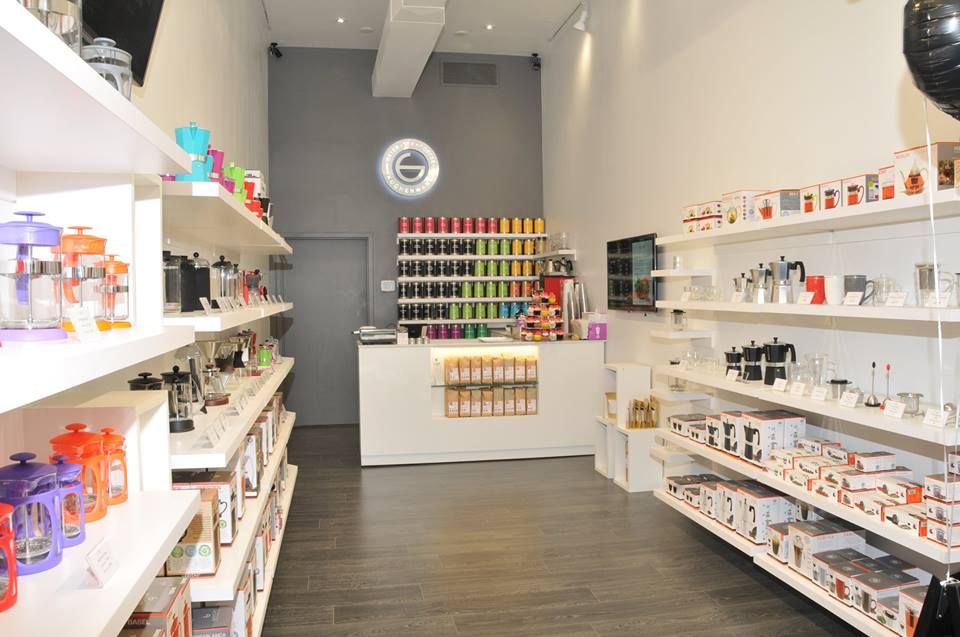
Retail & Showrooms
What’s happening: Brands are building virtual storefronts where customers “walk through” and click to buy. Some even test layouts virtually before rolling them out to stores.
What’s in it for you: If you’re in retail, this means more engagement and a way to turn your physical inventory into a 24/7 sales channel. For customers, it means more confidence before purchase.
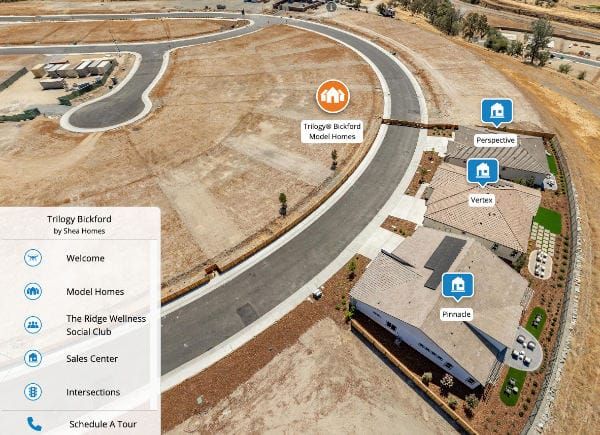
Construction
What’s happening: Contractors and architects use digital walkthroughs to show progress, spot issues, and keep stakeholders aligned. With 360° site documentation tools, teams can capture job sites and share interactive progress reports without requiring anyone to visit in person.
What’s in it for you: If you’re in the building business, a tour can cut down on costly surprises. For clients, it provides peace of mind and visibility without repeated site visits.
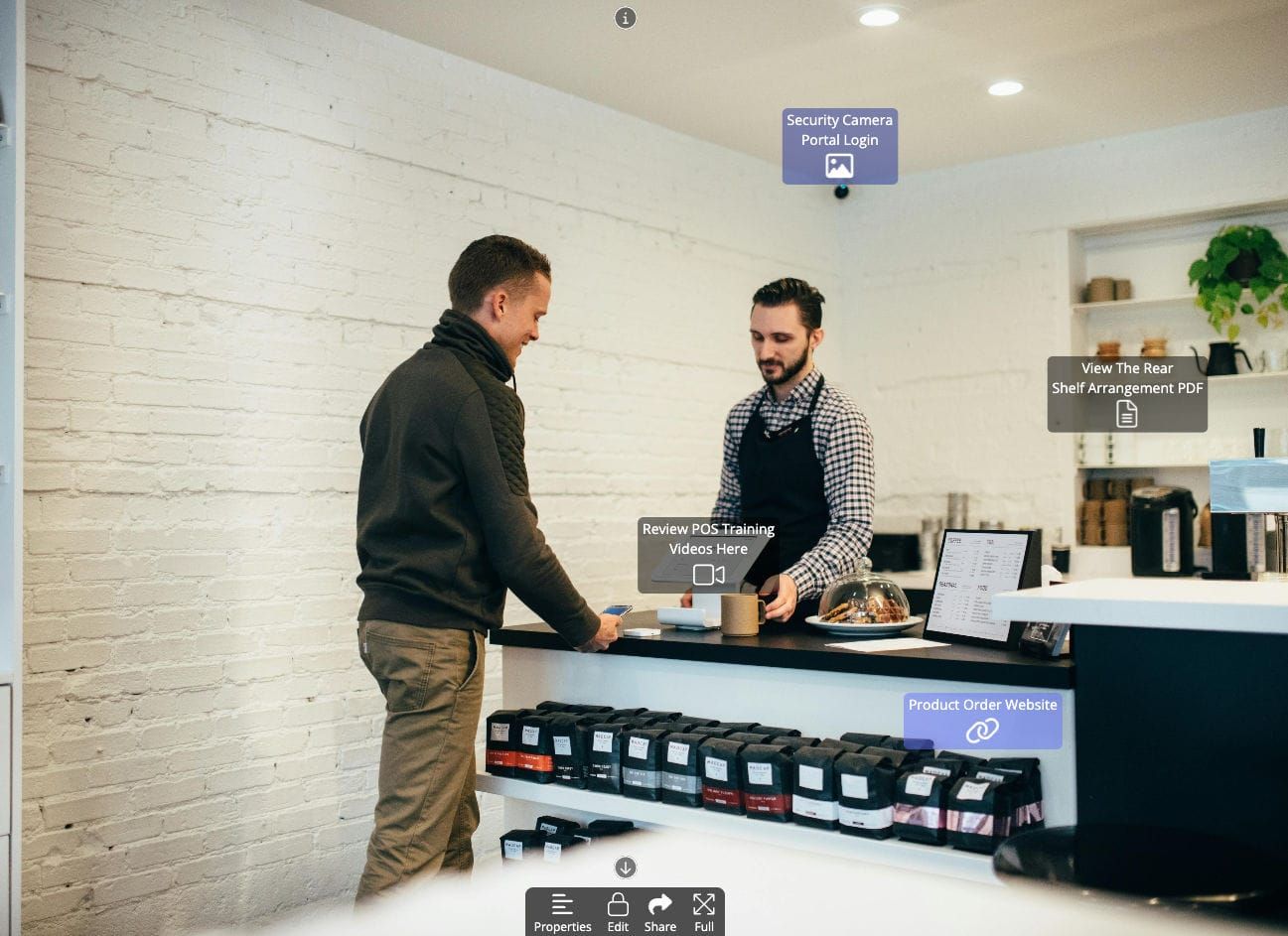
Training & Education
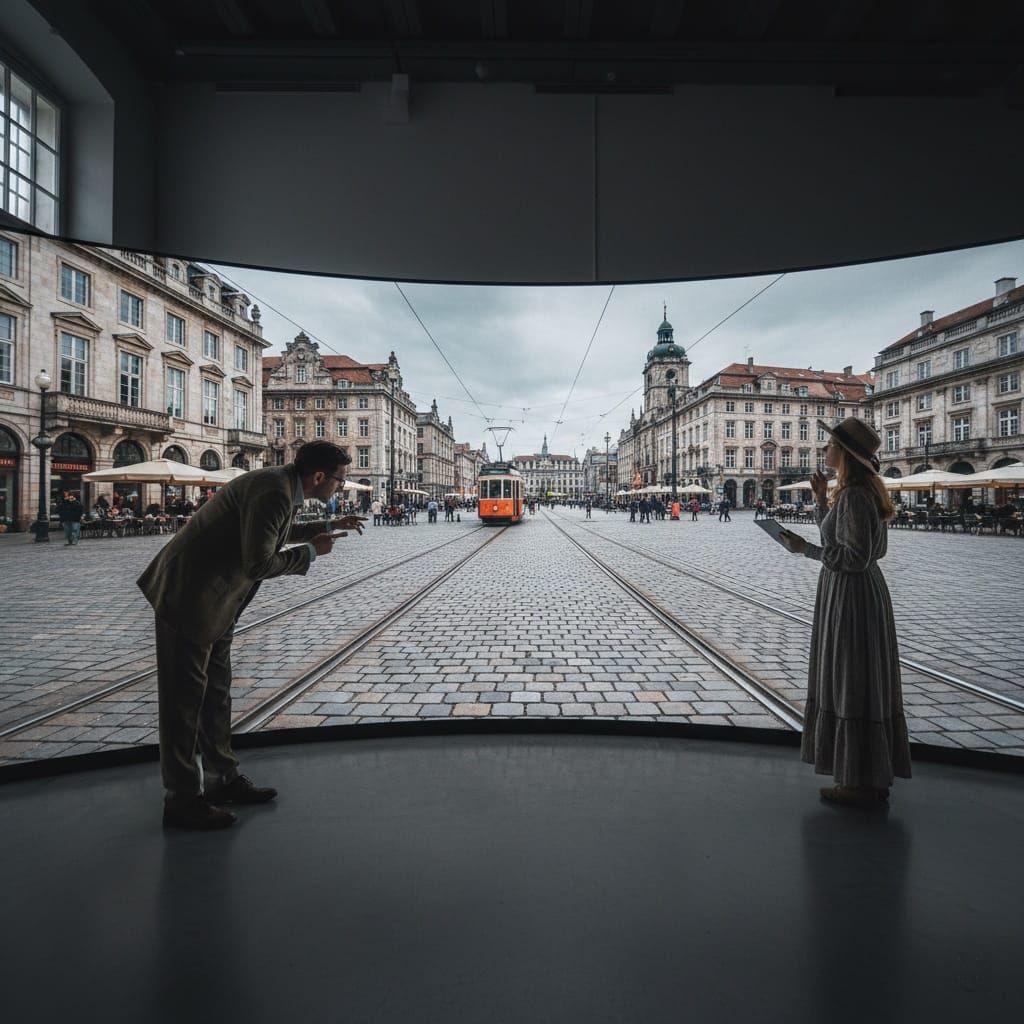
What’s happening: From campus tours to simulated job training, educators are using interactive virtual experiences to boost reach and engagement. Interactive 360° tours let students explore environments with embedded quizzes, audio narration, and clickable information points.
What’s in it for you: If you’re in education or corporate training, virtual tours let you scale without geography or safety limits. Learners get unlimited immersive practice, and it’s both cheaper and safer than on-site alternatives.

Tourism & Hospitality
What’s happening: Resorts, hotels, and destinations let travelers “try before they buy.” Virtual previews increase bookings and reduce cancellations. Platforms like SeekBeak let hospitality teams create immersive virtual tours that showcase rooms, amenities, and event spaces with interactive hotspots and embedded booking links.
What’s in it for you: If you’re in hospitality, this is your 24/7 digital concierge. For travelers, it reduces risk and builds excitement.
Why Virtual Tours Beat the Old Way
Let’s put it plainly:
For businesses: More reach, more conversions, and long-term cost savings. Unlike static brochures or photo galleries, a 360° virtual tour is always up to date, always available, and always interactive. Fewer printed materials, fewer in-person site visits, fewer wasted hours.
For customers: More transparency, more confidence, and a better sense of the space before committing. That translates into fewer surprises and higher satisfaction.
Because tours are flexible, you can update them whenever your space or offering changes. No need to reprint, rebuild, or send out a “version 2” URL.
What to Look Out For
Sure, there are a few real-talk caveats to keep in mind. Quality counts: poor lighting or clunky navigation can quickly turn people off. Tours need to stay current, because nothing frustrates an audience more than an out-of-date experience. And accessibility matters.
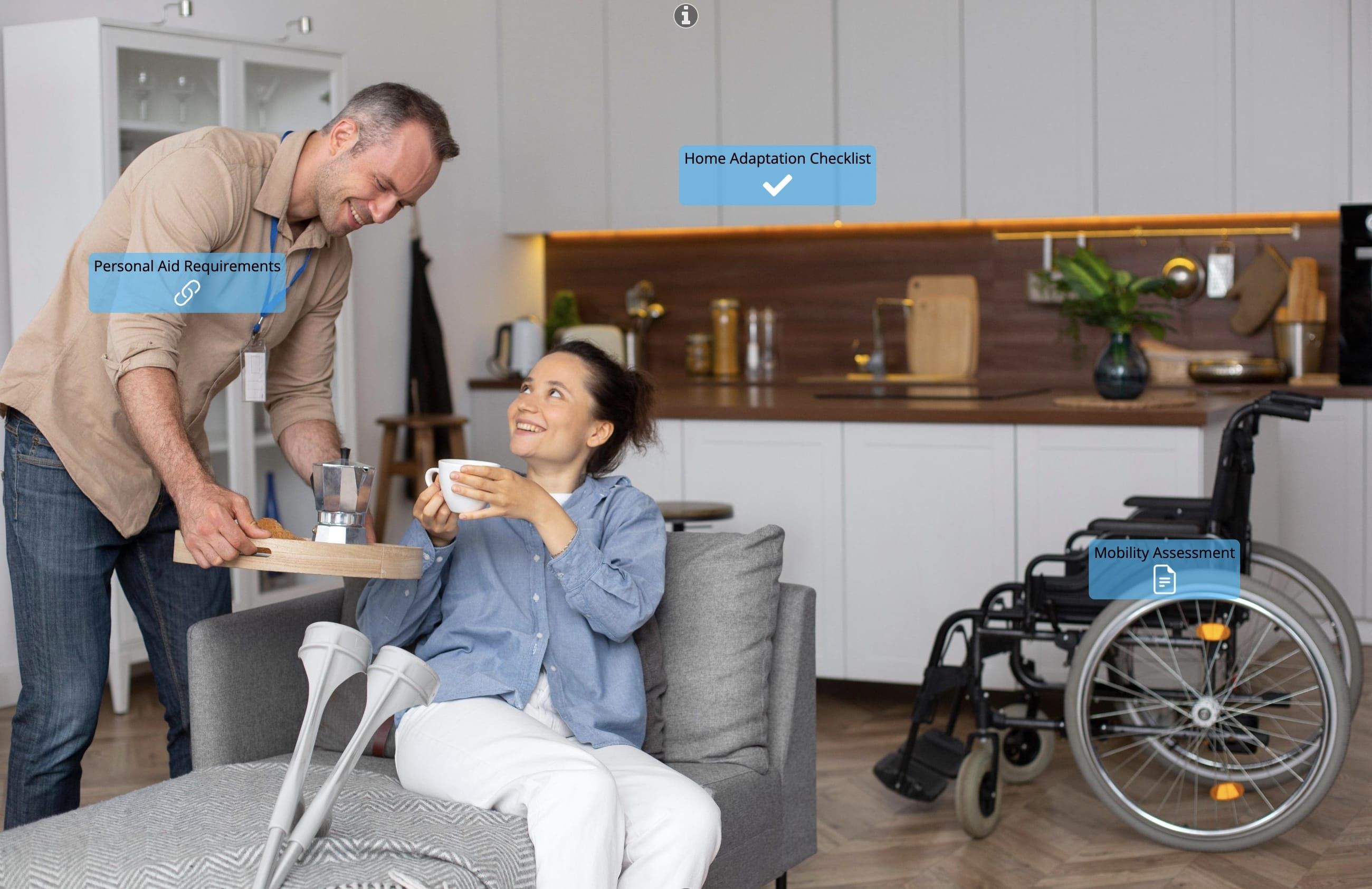
Your audience can be on different platforms (laptop, desktop, tablet, mobile phone, etc.) and folks might have slower Wi-Fi connections. Look for a virtual tour platform that works across all devices without requiring app downloads, and one that supports accessibility standards like WCAG 2.1 for visitors with hearing, visual, or mobility needs.
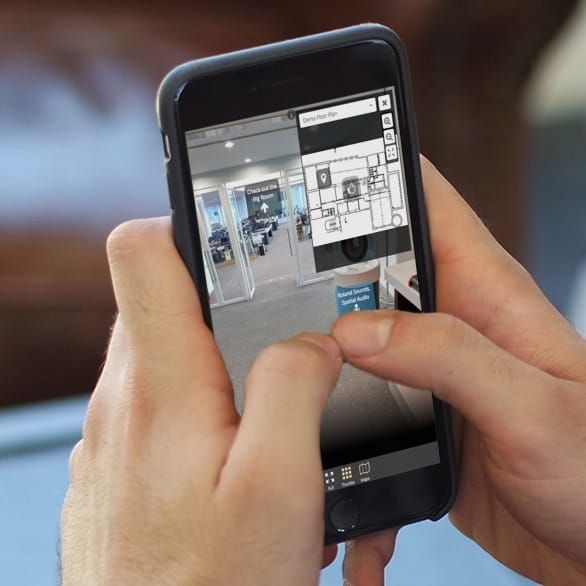
Where SeekBeak Fits In
SeekBeak is a cloud-based, no-code platform for creating interactive 360° virtual tours, 3D model viewers, and flat-image experiences, all from a web browser. Since 2014, it’s been used by organizations of every size, from individual creators to Fortune 50 companies, to build tours that engage audiences and drive results.
You don’t need an IT department or technical background to get started. SeekBeak’s drag-and-drop editor lets you upload 360° photos, add interactive hotspots, embed video or audio, and include lead-capture forms that turn visitors into leads. You can even run live guided tours where a presenter walks remote participants through a space in real time, with every viewer’s screen synchronized to the host’s navigation.
What sets SeekBeak apart from static tour tools is the depth of interactivity. Custom Overlays give you a no-code UI designer for building branded navigation menus, splash screens, and information panels. Built-in analytics with ad-blocker-resistant heatmaps show you exactly where visitors look and click. And because everything runs in the browser across desktop, mobile, tablet, and VR headsets, your audience can explore without downloading anything.
The bottom line: virtual tours aren’t just for real estate anymore. They’re reshaping how industries from museums and construction to retail connect with people. The market is booming, your audience is already primed for immersive experiences, and the technology is more accessible than ever.
Key Takeaways
- The virtual tour market is growing at 25-30% annually, with businesses across real estate, museums, education, construction, retail, and hospitality adopting interactive tours.
- Virtual tours increase engagement, reduce costs, and give customers the transparency they expect before buying or booking.
- The best virtual tour software is browser-based, works across all devices, and lets you add interactive elements like hotspots, forms, and embedded media without coding.
- Accessibility and cross-platform support are non-negotiable. Look for WCAG compliance and responsive design.
- SeekBeak provides all of this in one platform: 360° tours, 3D models, live guided sessions, built-in analytics, and no-code design tools.
Frequently Asked Questions
A 360 virtual tour is an interactive, online experience that lets people explore a real space from any angle, as if they were standing inside it. Viewers pan around panoramic photos and click hotspots that reveal extra detail like text, images, video, audio, or links. On a platform like SeekBeak, tours run in a web browser, so there's nothing to download.
Virtual tours pay off across a wide range of fields, including real estate, museums and galleries, retail and showrooms, construction, education and training, and tourism and hospitality. Real estate listings with tours tend to sell faster, museums reach global audiences beyond their capacity, and construction teams share job-site progress without repeated visits. Any business that benefits from showing a space before someone commits is a strong fit.
Costs have dropped sharply, and no-code tools now let you create and publish a tour in hours rather than weeks, without a large production budget. With a browser-based platform, you upload 360 photos, add hotspots and media, and share a link, no specialized team required. Because tours are easy to update, you avoid the recurring cost of reprinting or rebuilding when a space changes.
Yes. A good virtual tour platform works across desktop, tablet, and mobile without requiring any app download, so audiences on slower connections can still explore. Accessibility matters too: SeekBeak supports WCAG 2.1 AA standards and includes a Dynamic ADA Text Viewer, making tours usable for visitors with visual, hearing, or mobility needs.
Yes. You can begin on SeekBeak's free trial and capture your first scenes with a regular phone camera, so there is no upfront cost to publish a basic tour. Paid plans unlock additional scenes, storage, branding, and advanced interactivity when you are ready to scale.
A virtual tour stitches 360° or flat images into a connected, clickable experience. Each scene can hold hotspots that jump to another area or reveal information, video, audio, or forms, and the whole thing plays in any web browser with no app to download. The creator builds it once and can update it live at any time.